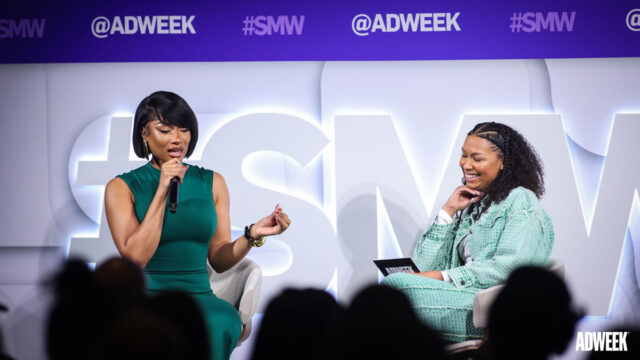
Editor’s Picks Advertising News Under the Hood of Tesla’s Fleeting Foray Into Advertising By Rebecca Stewart & Jason Notte Ad Tech Industry News Google Delays Cookie Deprecation For The Third Time By Ryan Joe Partner Expert Streaming Audio Amplifies Success for Retail Media Network Advertisers SiriusXM Media Leadership & Talent Chief Sustainability Officers Aren’t Marketers, They’re Multi-Hyphenates By Rebecca Stewart AI News AI Search Startup Perplexity’s Series B Funding Raises Nearly $63M, Launches Enterprise Pro By Trishla Ostwal BRANDSHARE FROM HANOVER RESEARCH Are You Monitoring the Health of Your Brand? Best of Social Media Week Social Media Week Creators and Strategists Say These Are the Social Trends to Watch By Trishla Ostwal Social Media Week How LTK Powers Seamless (and Lucrative) Deals for Creators and Brands By Kathryn Lundstrom Social Media Week Reddit’s CMO Busts Platform Myths By Lucinda Southern Creativity x Culture Megan Thee Stallion’s Advice to Next Gen of Creators: ‘Don’t Be a Walking Commercial’ By Luz Corona Magazine View All Sustainability News Most of Adland Is Crickets on Climate. But That May Still Be Productive By Kathryn Lundstrom Sustainability Honors These 9 Marketing Leaders Are Building Climate Solutions Into Their Businesses By Adweek Staff Programmatic Publishers Reeling From Carbon Emissions ‘Shakedown’ By Lucinda Southern Sustainability News Greenhushing and a Softer Ad Market Spur Shifts in Publishers Monetizing Climate Reporting By Mark Stenberg The Adweek Resource LibraryBe a better marketer and get access to the latest Adweek-created guides, exclusive research, and sponsor white papers.See What’s New